
If you or a loved one has experienced police misconduct, whether that’s because of an honest mistake or deliberate wrongdoing, it can be distressing and, in some cases, have serious consequences.
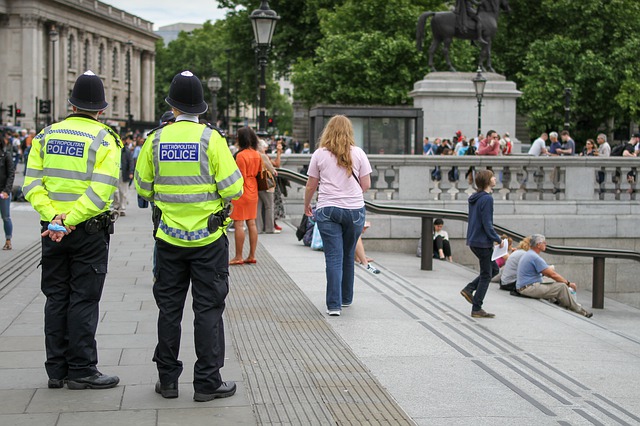
If you have suffered injury, loss, or other harm at the hands of a police officer, then you may be entitled to claim compensation.
However, the thought of suing police in the UK can appear daunting – which is why it’s beneficial to have a solicitor who specialises in civil actions against the police fighting your corner.
We help individuals bring claims against the police when mistakes have been made, or power has been abused.
Our specialist solicitors can help you to get the answers and compensation you deserve, and to hold the police accountable for misconduct.
In this guide, we explain when you can make a claim against the police, the process for doing so, and what compensation you could be entitled to receive.
When can I bring a claim against the police?
The standards of professional behaviour expected by police officers are set out in the Police (Conduct) Regulations 2020.
However, you’re not automatically entitled to claim police complaint compensation just because a police officer fails to meet these standards.
To bring a successful civil claim against the police, you need to establish two things:
- A recognised legal ground for making a claim
- Evidence that you have suffered harm or loss as a result
Some of the most common grounds for bringing a civil claim against the police include:
| Grounds for a civil claim | When might you have a claim? |
| Assault, battery, or excessive force | A police officer assaulted you or used force that was unlawful, unnecessary, or excessive |
| False imprisonment or unlawful arrest compensation | You were arrested or detained without reasonable grounds to do so |
| Malicious prosecution | Criminal proceedings were brought against you without reasonable and probable cause and with malice or an improper motive (provided the proceedings were resolved in your favour, and you suffered damage as a result) |
| Breach of human rights | A police officer has breached your rights under the Human Rights Act 1998 |
| Trespass to land | The police have entered your property without consent or lawful authority |
| Unlawful stop and search | You have been stopped and searched without lawful justification or if the correct procedure was not followed |
| Discimination | A police officer has discriminated against you because of a protected characteristic like race, sex, religion, or age |
Is there a time limit for making a civil claim against the police?
Yes, there are strict time limits in place for making a civil claim against the police.
The time limits vary from six months to six years, depending on the type of claim you’re making.
If you don’t claim within the time limit, then you may lose your right to compensation.
Below are the time limits for some of the most common legal grounds that claims are made against the police:
| Legal ground | Time limit |
| False imprisonment | 6 years from the date of detention |
| Assault and battery | 3 years from the date of injury |
| Malicious prosecution | 6 years from the date of acquittal |
| Trespass | 6 years from the date of trespass |
| Human Rights breach | 1 year from the date of breach |
| Discrimination | 6 months less 1 day from the date of the act |
If you wish to make an official complaint to the police or to the Independent Office for Police Conduct (IOPC), you should do so as soon as possible, ideally within 12 months of the incident.
How to make a formal complaint about police misconduct
It’s important to understand that making a formal complaint to the IOPC and making a civil claim against the police are separate processes.
While you cannot claim compensation by filing a formal complaint, many people who have experienced police misconduct wish to see their experience formally investigated and to receive an explanation or apology for what has happened.
Complaints can be made by calling 101, visiting any police station, or filling out the form on the IOPC’s website.
Ideally, you should make your complaint as soon as possible after the incident.
If you need help making a formal complaint to the IOPC or appealing the outcome of a complaint, our solicitors help you navigate this notoriously complicated process.
If you plan to take civil action against the police to claim compensation, a formal complaint can help to serve as useful evidence.
How to take civil action against the police (step by step)
Here’s a quick step-by-step guide to what to expect when taking civil action against the police.
Step 1: Contact us to receive a free initial consultation
During a free initial consultation, you will speak to one of our personal injury solicitors who specialise in civil actions against the police. We’ll ask you some questions about what has happened and advise you on whether you have a case to claim for compensation.
Step 2: Gather evidence
We then begin gathering information to build your case by asking you questions about what happened and helping you collect valuable evidence that proves the harm you have sustained and supports your claim against the police.
Step 3: Medical assessments
If you have been injured, you may need to attend a professional medical assessment to establish the extent of your injuries, what treatment is required, and how long they are likely to affect you for.
Step 4: Notify the police force of your claim
Once we have sufficient evidence, we will formally notify the relevant police force of your claim, setting out the legal grounds for the claim and the compensation or other remedy you are seeking.
Step 5: Response and negotiations
The police force is then required to investigate and respond to your allegations. Depending on how they respond, we may then enter into negotiations with them to try to reach an appropriate settlement without having to resort to court proceedings.
Step 6: Court (if required)
If an agreement cannot be reached through negotiation, then the claim may need to go to court. If this is the case, a judge will examine the evidence during a court hearing and decide how much compensation to award.
What compensation could you receive from a civil claim against the police?
The amount of compensation you can expect to receive when claiming against the police can vary significantly depending on the legal grounds for your claim, the seriousness of what happened, and the harm or losses you suffered as a result.
Every case is unique, and compensation is assessed on a case-by-case basis.
Depending on the details of your case, you may be able to claim compensation for:
- Physical or psychological injuries
- Loss of liberty
- Damage to your reputation
- Financial damages
Contact our solicitors to discuss your case and receive advice on how much you may be entitled to claim.
Speak to a solicitor who specialises in civil actions against the police
If you’ve suffered because of police misconduct, we can help you to claim compensation and hold the police accountable for what has happened.
We have a team of personal injury solicitors who specialise in civil cases against the police.
They provide compassionate support and professional legal advice, helping countless people throughout Liverpool, Warrington, and Leigh to gain closure after experiencing police misconduct and claim the compensation they are entitled to.
Call us today on 0800 002 9577 for a free initial consultation, or fill in our online contact form, and we will call you back as soon as possible.