
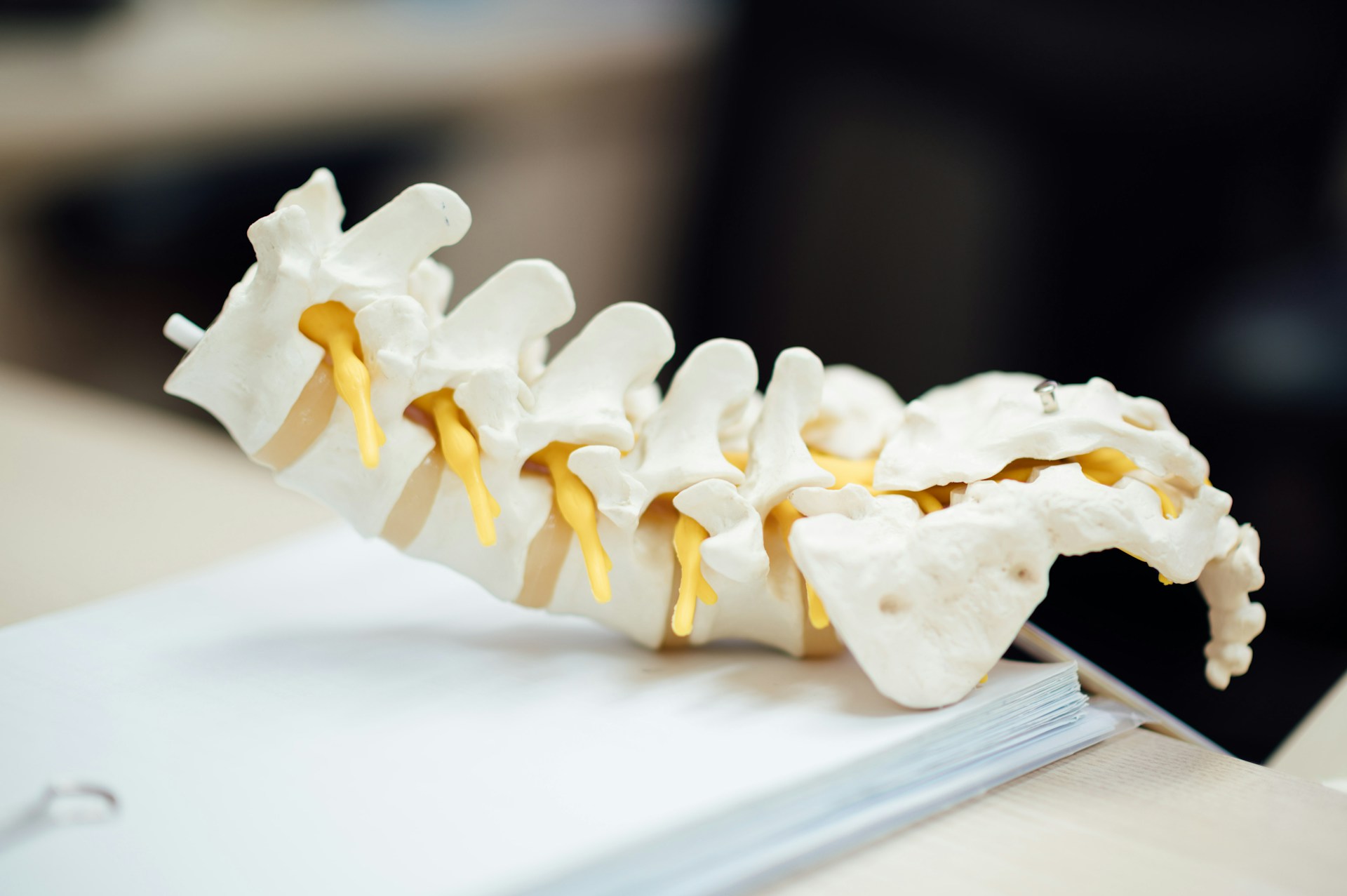
If you have suffered a spinal cord injury caused by someone else’s negligence, you may be entitled to recover the reasonable costs of professional care, rehabilitation, specialist equipment and assistance provided by family members. Your compensation can account for expenses you have already incurred and the ongoing support you are likely to need throughout your life.
Whether your injury resulted from a workplace accident, road traffic accident or medical negligence, our spinal injury solicitors can help establish who was responsible and assess the financial consequences of your injury. Where appropriate, funding for urgent care and rehabilitation may be available before your claim settles.
What care and rehabilitation costs can you claim?
A spinal cord injury compensation claim can include reasonable and necessary expenses arising directly from your injury. These may include specialist nursing, personal care, physiotherapy, occupational therapy, psychological treatment and rehabilitation programmes. The amount you can recover will depend on the severity of your injury, your individual circumstances and supporting expert evidence.
Some people require assistance for several months, while others need lifelong professional care. Your claim should reflect your actual requirements rather than being based solely on your diagnosis.
| Type of expense | Examples of recoverable costs |
| Professional care | Personal care, specialist nursing and overnight assistance |
| Physical rehabilitation | Physiotherapy, hydrotherapy and occupational therapy |
| Psychological support | Counselling and treatment for injury-related psychological difficulties |
| Specialist equipment | Wheelchairs, hoists, specialist beds and mobility aids |
| Case management | Professional coordination of care and rehabilitation services |
| Home adaptations | Accessible bathrooms, ramps and structural alterations |
| Family care | Additional unpaid assistance provided by relatives or friends |
| Travel expenses | Additional transport costs for treatment and rehabilitation |
Your claim may also account for equipment maintenance, replacement and changes to your care requirements as you get older.
Recovering the cost of private rehabilitation
You may be able to recover the cost of private rehabilitation even if similar treatment is available through the NHS. Under section 2(4) of the Law Reform (Personal Injuries) Act 1948, the availability of NHS treatment must be disregarded when assessing the reasonableness of personal injury expenses.
However, this does not mean that every private treatment expense will automatically be recoverable. Medical evidence must support the need for treatment, and the associated costs must be reasonable.
Depending on your injury, private rehabilitation may provide access to specialist therapists, more frequent treatment sessions or programmes designed around your individual recovery goals.
Under the Rehabilitation Code, solicitors and insurers are encouraged to consider rehabilitation needs at an early stage, potentially before responsibility for the accident has been resolved.
Speak to your solicitor before committing to substantial private treatment costs so that appropriate funding arrangements can be explored.
Claiming for care provided by family members
Following a spinal cord injury, your partner, parents or other relatives may provide considerable unpaid assistance. If this additional care is reasonably required because of your injury, its value may be included in your compensation claim. This is commonly known as gratuitous care.
Examples of additional family care include:
- Helping you wash, dress and manage personal hygiene.
- Preparing meals and completing household tasks.
- Assisting you with wheelchair transfers.
- Accompanying you to medical and rehabilitation appointments.
- Providing supervision or overnight assistance.
- Helping you manage daily activities that you previously performed independently.
For example, if your partner provides an additional 2 hours of care each day, this amounts to approximately 730 hours over a year. Although no money may have changed hands, the assistance provided could have a recoverable financial value.
Your solicitor will distinguish injury-related assistance from the ordinary support your family provided before the accident.
Our guide to gratuitous care in serious injury claims explains how unpaid family care can be assessed.
Accessing rehabilitation funding before your claim settles
You do not necessarily need to wait until your compensation claim concludes to receive financial support. Where appropriate, your solicitor may seek rehabilitation funding from the defendant’s insurer or obtain an interim compensation payment to help cover urgent care, treatment and equipment costs.
An interim payment is an advance towards your eventual compensation. It may be agreed with the defendant or ordered by the court if the relevant conditions under Part 25 of the Civil Procedure Rules are satisfied.
For example, you might require £12,000 towards specialist equipment, private rehabilitation and temporary care arrangements after leaving hospital. An interim payment could help meet these expenses without requiring you to settle your entire claim prematurely.
The availability and amount of any payment depend on the evidence, the position on liability and the likely value of your claim. Interim payments are not guaranteed and will be taken into account when your final compensation is calculated.
How future care costs are calculated
Future care costs are assessed using expert evidence about your long-term medical condition, level of independence, anticipated care requirements and life expectancy. Your solicitor may work with medical specialists, occupational therapists and care experts to establish the type, frequency and cost of the support you are likely to require.
The assessment should consider more than your immediate recovery needs. For example, a family member may currently provide most of your personal care but could become unable to continue as they get older.
Other long-term expenses may include replacement wheelchairs, specialist nursing, respite care, additional rehabilitation and changes to your accommodation.
Where your property is no longer suitable, compensation may also account for reasonable home adaptations after a serious injury.
Establishing these requirements properly is particularly important because a final settlement generally prevents you from returning to claim additional compensation if your future expenses exceed expectations.
Evidence needed to recover care and rehabilitation costs
Your solicitor will need evidence demonstrating that the care, treatment and expenses included in your claim are reasonably necessary because of your spinal cord injury.
Keep the following documents wherever possible:
- Medical records and hospital discharge summaries.
- Rehabilitation plans and treatment recommendations.
- Invoices for private treatment and professional care.
- Diaries recording unpaid care provided by family members.
- Receipts for equipment, medication and additional travel.
- Quotations for necessary home adaptations.
- Occupational therapy and independent care assessments.
You do not need to have every document available before contacting a solicitor. Your legal team can help obtain relevant records and arrange independent expert assessments where necessary.
Keeping accurate records from an early stage can help ensure that important expenses are not overlooked, particularly those that accumulate gradually during your recovery.
Protecting your compensation for future care
At Mark Reynolds Solicitors, eligible spinal injury claims can be handled on a No Win No Fee basis.
If your claim is successful, our success fee is 20% plus VAT (24% in total), taken from compensation for your pain and suffering and financial losses up to settlement.
We do not deduct a success fee from compensation awarded for future losses, including future care and rehabilitation costs. Your funding arrangements will be confirmed in writing before your claim begins.
Speak to Mark Reynolds Solicitors
The financial consequences of a spinal cord injury can continue long after your initial hospital treatment. If someone else’s negligence caused your injury, your compensation should reflect the care, rehabilitation and practical assistance you need both now and in the future.
At Mark Reynolds Solicitors, we can help assess your losses, obtain independent expert evidence and explore early funding for urgent rehabilitation and care requirements.
Whether your spinal cord injury resulted from a workplace accident or another incident caused by negligence, our experienced legal team can help you understand your options and pursue compensation for your immediate and long-term needs.
Our specialist workplace injury services cover a wide range of accidents and occupational injuries, including:
- Construction accident claims
- Crush injury claims
- Factory accident claims
- Fall from height claims
- Farm accident claims
- Forklift accident claims
- Machinery accident claims
- Manual handling injury claims
- Repetitive strain injury claims
- Slips and trips claims
- Warehouse accident claims
Call us on 0800 002 9577 for a free initial consultation to discuss your circumstances and find out how we could help.